



Past een Android autoradio in jouw auto? Complete gids voor DIN-formaat, inbouwpaneel & CAN-bus (2026)
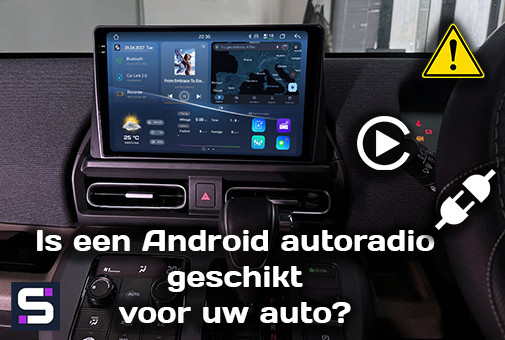
Een praktische gids van SMARTY Trend installatie-ingenieurs: hoe je de compatibiliteit van een Android autoradio met jouw auto in 10 minuten controleert. Alles over DIN-formaten, inbouwdiepte, CAN-bus modules en fabrieksfuncties.
Past een Android-autoradio in uw auto? Volledige gids voor compatibiliteit (2026)
Elke week ontvangt ons installatieteam dezelfde berichten van klanten die een aftermarket-autoradio hebben gekocht: «Hij past niet», «De automatische airco werkt niet meer» of «De stuurwielbediening reageert niet». In vrijwel alle gevallen was het apparaat zelf in orde - het probleem lag bij een verkeerde DIN-maat, een ongeschikte inbouwdiepte of een installatie zonder CAN-BUS-module (verkeerde adapterkeuze) die noodzakelijk was voor die specifieke auto.
We hebben deze handleiding geschreven om u te behoeden voor fouten vóór de aankoop - de controle duurt slechts 10 minuten.
Waarom de vermelding «Geschikt voor uw model» vaak onvoldoende is
Verkopers op marktplaatsen vermelden vaak alleen het merk en bouwjaar van de auto. Dat is slechts een uitgangspunt, maar geen garantie. Twee Toyota Camry-modellen van hetzelfde bouwjaar met verschillende uitrustingsniveaus kunnen totaal verschillende fabrieksframes hebben, afwijken qua stuurwielbedieningsprotocollen of uitgerust zijn met een fabrieksversterker die het hele aansluitschema verandert.
Compatibiliteit bestaat uit drie onafhankelijke niveaus. Als verkopers slechts rekening houden met één niveau, riskeert u een apparaat te ontvangen dat fysiek niet in het dashboard past, of wel past maar de werking van de helft van de autosystemen verstoort.
De drie niveaus van compatibiliteit in de volgorde waarin onze specialisten ze controleren:
- Fysieke compatibiliteit: of de behuizing en het scherm qua breedte, hoogte en toegestane diepte in de uitsparing van het dashboard passen. U dient het bouwjaar, het model en een foto van de middenconsole aan te leveren.
- Elektrische compatibiliteit: of de kabelboomconnector (Harness) overeenkomt met de fabrieksstekker en of de CAN-BUS-module de gegevens van de digitale autobuis correct decodeert.
- Functionele compatibiliteit: of na installatie de werking van de airconditioning, stuurwielbediening, fabrieksparkeersensoren, 360-gradencamera en de originele achteruitrijcamera behouden blijft.
Ervaring van SMARTY Trend-monteurs: De meeste klachten over «de autoradio past/werkt niet» zijn in werkelijkheid storingen op het 2e of 3e niveau. Fysiek past het apparaat in het frame, maar de elektronica achter het paneel kan niet communiceren met de auto.
Niveau 1: DIN-formaat en fysieke pasvorm in het dashboard
DIN (Deutsches Institut für Normung) is de internationale norm (ISO 10487) die de afmetingen bepaalt van de inbouwnis voor autoradio's.
| Formaat | Ongeveer Afmetingen (B × H) | Typerende voertuigen |
|---|---|---|
| Enkel-DIN (1DIN) | 178 × 50 mm (7″ × 2″) | Oudere pick-ups, klassieke en budgetmodellen van vóór 2005 |
| Dubbel-DIN (2DIN) | 178 × 100 mm (7″ × 4″) | De meeste voertuigen geproduceerd vóór 2010 |
| Tesla-stijl / Verticaal | Variërend, vaak 220–280 mm in hoogte | Moderne Ford, Toyota, Volkswagen modellen en andere merken met verticale schermen (zie onze Tesla-stijl installatiegids voor Ford Edge) |
| Merkspecifiek (OEM-shaped) | Op maat per merk/model | Mercedes-Benz, BMW, Audi e.a. met breedbeeldschermen - vereisen een gespecialiseerd pasframe |
Hoe fysieke compatibiliteit in 5 minuten te controleren:
- Bestudeer het uitbouwschema van het dashboard: Zoek een handleiding voor het verwijderen van de radio specifiek voor uw uitvoering en bouwjaar (zoekopdracht:
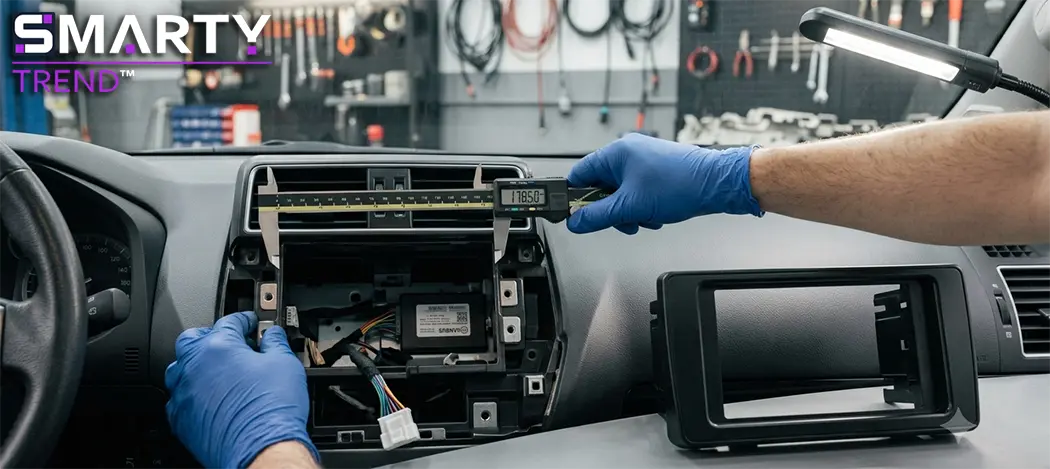
[automodel] [bouwjaar] radio verwijderen). - Meet de inbouwdiepte op: Meet bij twijfel de afstand vanaf het frontframe tot aan de achterwand van de nis. Dit is een parameter die velen vergeten: als de radio 2–3 cm dieper is dan normaal, loopt deze vast tegen de ventilatiekanalen of de originele kabelboom.
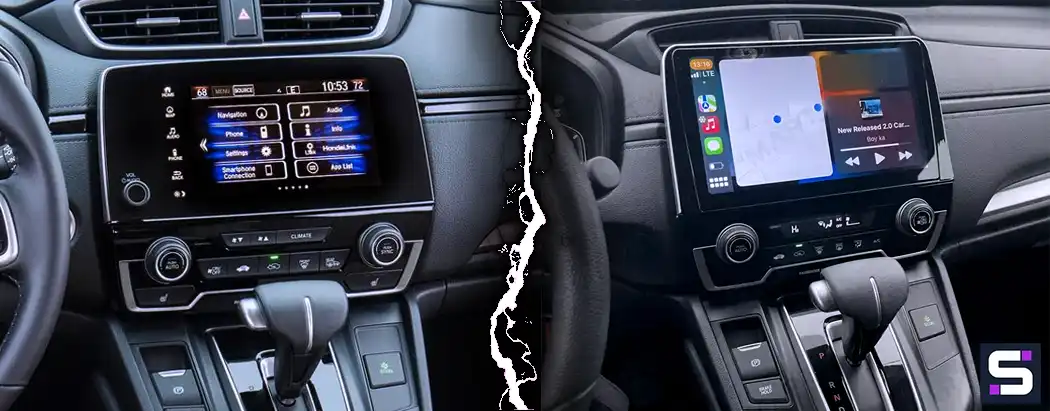
- Specifieke kenmerken van premiummerken: Als er een fabrieksorigineel breedbeeldscherm is geïnstalleerd (vaak bij Mercedes, BMW, Audi vanaf 2014+), hebt u een gespecialiseerde behuizing voor dat specifieke scherm nodig in plaats van een universele 2DIN-set. Controleer voor het bestellen onze compatibiliteitspagina's voor specifieke automerken .
- Controleer de noodzaak van een inbouwframe (Dash Kit): Voor de meeste auto's is een apart kunststof adapterframe nodig dat in de kit zal zitten. Dit is standaard bij het vervangen van een autoradio.
Niveau 2: CAN-BUS - De module die de meeste storingen veroorzaakt
Hier ontstaat tot 90% van alle compatibiliteitsproblemen.
In moderne voertuigen worden signalen voor de airconditioning, stuurwielbediening, parkeersensoren en temperatuur niet via analoge draden verzonden, maar via de digitale CAN-bus (Controller Area Network). Een eenvoudige ISO-adapter levert alleen stroom en geluid naar de luidsprekers - deze "begrijpt" de gegevens van de digitale bus niet.
De CAN-BUS-module (CAN-decoder) wordt aangesloten tussen de originele bekabeling en de nieuwe Android-autoradio. De taak hiervan is het digitale protocol van de autofabrikant te decoderen en om te zetten in opdrachten die de autoradio begrijpt:
- Drukken op stuurwielknoppen worden omgezet in volumeregeling en nummerselectie.
- Signalen van de klimaatregeling worden op het radioscherm weergegeven.
- Signalen bij het inschakelen van de achteruit activeren de camera en parkeersensoren.
Symptomen van een ontbrekende of verkeerd gekozen CANBUS-module:
- Stuurwielknoppen reageren niet of voeren de verkeerde functies uit.
- De werking van de airconditioning wordt niet op het scherm weergegeven.
- Fabrieksparkeersensoren vallen uit of de achteruitrijcamera schakelt niet in.
- Er verschijnen elektrische storingen op het instrumentenpaneel.
Belangrijk: CAN-busprotocollen verschillen zelfs binnen dezelfde modelgeneratie. Een CAN-BUS-module voor een Golf Mk7 (2015–2018) zal niet correct werken op de facelift Mk7.5, hoewel het uiterlijk "dezelfde Golf" is. We beschrijven de aansluitlogica in detail in onze gids voor foutloze CAN-Bus-aansluiting , en in elke specifieke installatiehandleiding (zoals onze installatiegids voor Toyota C-HR) staat de exact benodigde CANBUS-versie vermeld.
Expert-opmerking: Als uw auto is uitgerust met een fabrieksorigineel geluidssysteem (JBL, Bose, Harman Kardon, Burmester), zorg er dan voor dat de CANBUS-decoder de digitale inschakeling van de versterker of een optische adapter (MOST) ondersteunt.
Niveau 3: Bedraad vs. Draadloos CarPlay / Android Auto
De keuze van het verbindingstype heeft geen invloed op de fysieke pasvorm van de radio, maar bepaalt het dagelijkse gebruikscomfort:
- Bedrade verbinding: Biedt maximale signaalstabiliteit zonder storingen en laadt tegelijkertijd de smartphone op. Ideaal voor lange ritten.
- Draadloze verbinding: Handig voor dagelijkse korte stadsritten (telefoon blijft in de zak), maar verbruikt meer smartphonebatterij en is afhankelijk van de Wi-Fi/Bluetooth-stabiliteit op de telefoon zelf. We behandelen dit functie voor functie in onze speciale vergelijking tussen CarPlay en Android Auto.
Checklist vóór aankoop (5 cruciale stappen)
- Meet indien nodig de nis en diepte van het dashboard op, rekening houdend met het precieze bouwjaar en de uitvoering van uw auto.
- Controleer de beschikbaarheid van een inbouwframe voor de gekozen schermdiagonaal (9″, 10″ of afwijkende maat).
- Controleer de aanwezigheid van een CAN-bus in uw voertuig (ontcijfer indien nodig het VIN-nummer, aangezien fabrikanten protocollen wijzigen tijdens facelifts).
- Maak een lijst van fabrieksfuncties die u wilt behouden (airco, stuurwielbediening, fabriekscamera, parkeersensoren, versterker) en controleer of de gekozen CAN-BUS-module deze ondersteunt.
- Bepaal de gewenste CarPlay/Android Auto-modus (bedraad of draadloos) en controleer de native ondersteuning op de autoradio.
Veelgestelde vragen (FAQ)
1. Heeft elke Android-autoradio een CANBUS-module nodig?
Als uw auto ten minste één functie heeft die in de fabrieksradio is geïntegreerd (stuurwielbediening, aircoweergave, parkeersensoren, boordcomputer), ja, dan is CAN-BUS verplicht. Basisauto's die helemaal geen digitale bus hebben (meestal vóór 2010), kunnen werken op een gewone ISO-adapter.
2. Kan ik een 2DIN-autoradio installeren als er origineel een 1DIN in zat?
Ja, maar alleen met een speciaal adapterframe en mits er voldoende interne diepte en bevestigingsruimte in het dashboard aanwezig is.
3. Is een universele CAN-BUS-module met het opschrift «Voor [Merk]-auto's» geschikt?
Nee, vertrouw niet op universaliteit. CAN-busprotocollen zijn gebonden aan specifieke generaties en bouwjaren van modellen, niet alleen aan het merknaam.
4. Beïnvloedt de installatie van een Android-autoradio de garantie of de APK-keuring?
Bij gebruik van fabriekskabels (Plug-and-Play) zonder kabelbeschadiging blijft de garantie op de elektronica behouden. We behandelen juridische en keuringsaspecten uitgebreid in onze gids over APK-keuring en digitale tellerpartijen.
5. Wat is de meest voorkomende reden dat een «compatibele» radio niet goed werkt?
Een fout bij het kiezen van de versie of firmware van de CANBUS-module voor een specifieke voertuigmodificatie. In 90% van de gevallen past het apparaat fysiek perfect, maar gaan stuurwielbediening of aircoweergave verloren door een verkeerde decoder.
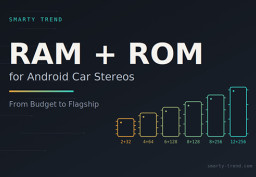
Hoe kies je RAM en ROM voor een Android autoradio: 4+64, 6+128 of...
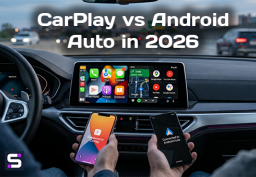
CarPlay vs Android Auto in 2026: welke moet u kiezen voor uw...

Gids voor Android Autoradio-processoren 2026: Volledige...
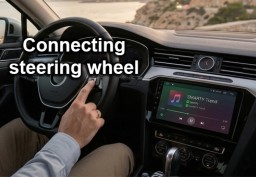
Stuurwielbediening aansluiten en configureren op een SMARTY Trend...

Beste Android Head Units 2026: De ultieme gids voor audio-upgrade
 NL
NL DE
DE
 EN
EN
 ES
ES
 FR
FR
 IT
IT
 PL
PL
 PT
PT
 RU
RU