



Czy radio Android będzie pasować do Twojego samochodu? Przewodnik po rozmiarach DIN, ramkach i CANBUS (2026)
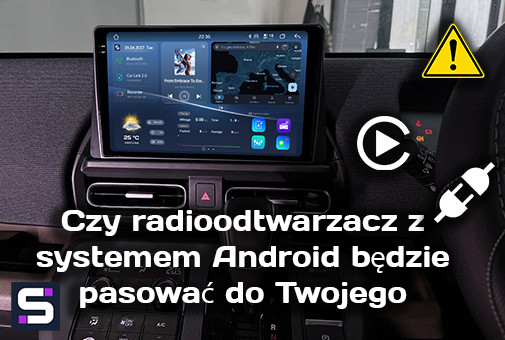
Praktyczny przewodnik od inżynierów montażu SMARTY Trend: jak w 10 minut sprawdzić kompatybilność radia Android z Twoim samochodem. Wszystko o rozmiarach DIN, głębokości montażowej, modułach CANBUS i zachowaniu fabrycznych funkcji.
Czy radio Android będzie pasować do Twojego samochodu? Kompletny przewodnik po kompatybilności (2026)
Co tydzień nasz zespół instalacyjny otrzymuje identyczne wiadomości od klientów, którzy kupili radioodtwarzacz innej firmy: „Nie mieści się”, „Przestała działać klimatyzacja” lub „Nie działają przyciski na kierownicy”. Prawie we wszystkich przypadkach samo urządzenie było sprawne - problem polegał na niewłaściwym rozmiarze DIN, niedopasowaniu głębokości montażowej lub instalacji bez modułu CAN-BUS (nieprawidłowy dobór adaptera), który był wymagany dla konkretnego pojazdu.
Napisaliśmy ten przewodnik, aby uchronić Cię przed błędami jeszcze przed zakupem - weryfikacja zajmie tylko 10 minut.
Dlaczego oznaczenie „Pasuje do Twojego modelu” często nie wystarcza
Sprzedawcy na platformach handlowych często podają tylko markę i rok produkcji samochodu. To jedynie punkt wyjścia, a nie gwarancja. Dwa samochody Toyota Camry z tego samego roku produkcji w różnych wersjach wyposażenia mogą mieć całkowicie różne fabryczne ramki, różnić się protokołami przycisków na kierownicy lub posiadać fabryczny wzmacniacz, który zmienia cały schemat podłączenia.
Kompatybilność składa się z trzech niezależnych poziomów. Jeśli sprzedawcy biorą pod uwagę tylko jeden z nich, ryzykujesz otrzymanie urządzenia, które fizycznie nie wejdzie w deskę rozdzielczą lub wejdzie, ale zakłóci pracę połowy systemów w samochodzie.
Trzy poziomy kompatybilności w kolejności, w jakiej sprawdzają je nasi specjaliści:
- Kompatybilność fizyczna: czy obudowa i ekran zmieszczą się w otworze konsoli pod względem szerokości, wysokości i dopuszczalnej głębokości. Należy podać rok produkcji samochodu, nazwę modelu i przesłać zdjęcie konsoli centralnej.
- Kompatybilność elektryczna: czy złącze wiązki przewodów (Harness) zgadza się z fabrycznym oraz czy moduł CAN-BUS poprawnie dekoduje dane z cyfrowej magistrali samochodu.
- Kompatybilność funkcjonalna: czy po montażu zachowane zostanie działanie klimatyzacji, przycisków na kierownicy, fabrycznych czujników parkowania, systemu kamer 360° i fabrycznej kamery cofania.
Doświadczenie instalatorów SMARTY Trend: Większość skarg typu „radio nie pasuje” to w rzeczywistości usterki na 2. lub 3. poziomie. Fizycznie urządzenie mieści się w ramce, ale elektronika za panelem nie potrafi porozumieć się z samochodem.
Poziom 1: Rozmiar DIN i fizyczne dopasowanie do deski rozdzielczej
DIN (Deutsches Institut für Normung) to międzynarodowa norma (ISO 10487) określająca wymiary wnęki montażowej dla radioodtwarzaczy samochodowych.
| Format | Przybliżone wymiary (Szer. × Wys.) | Typowe samochody |
|---|---|---|
| Single-DIN (1DIN) | 178 × 50 mm (7″ × 2″) | Starsze pick-upy, modele klasyczne i budżetowe sprzed 2005 roku |
| Double-DIN (2DIN) | 178 × 100 mm (7″ × 4″) | Większość samochodów wyprodukowanych przed 2010 rokiem |
| Styl Tesla / Pionowe | Różne, często 220–280 mm wysokości | Nowoczesne modele Ford, Toyota, Volkswagen i innych marek z pionowymi ekranami (zobacz nasz przewodnik montażu w stylu Tesla dla Ford Edge) |
| Dedykowane (OEM-shaped) | Indywidualne dla marki/modelu | Mercedes-Benz, BMW, Audi i inne auta z ekranami panoramicznymi - wymagają specjalistycznej ramki |
Jak sprawdzić kompatybilność fizyczną w 5 minut:
- Zapoznaj się ze schematem demontażu: Znajdź instrukcję wyjmowania radia dedykowaną dla Twojej wersji i rocznika (zapytanie:
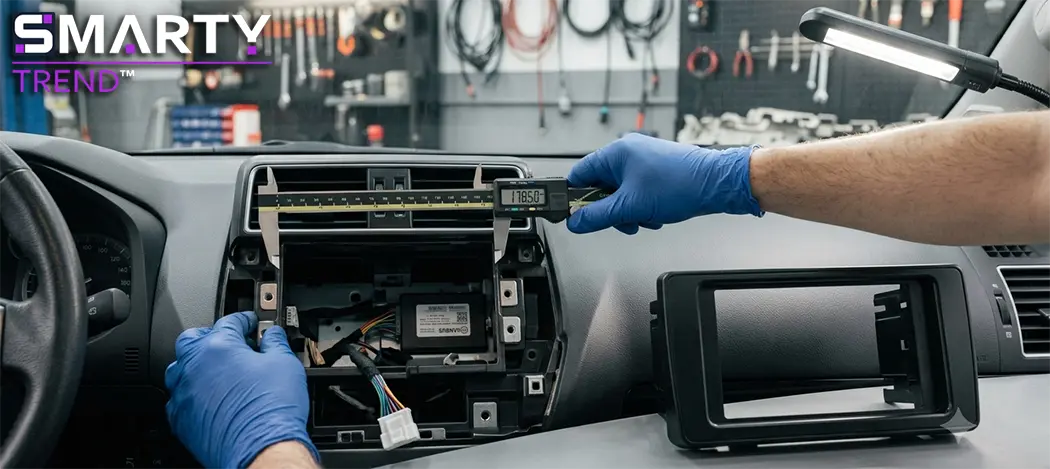
[model auta] [rok] demontaż radia). - Zmierz głębokość wnęki montażowej: Zmierz odległość od przedniej ramki do tylnej ścianki wnęki, jeśli masz wątpliwości. To parametr, o którym wielu zapomina: jeśli radio jest o 2–3 cm głębsze niż norma, oprze się o kanały wentylacyjne HVAC lub fabryczne wiązki kabli.
- Specyfika marek premium: Jeśli w aucie zamontowany jest fabryczny ekran panoramiczny (często w Mercedes, BMW, Audi od roczników 2014+), potrzebujesz specjalistycznej obudowy pod konkretny ekran, a nie uniwersalnego zestawu 2DIN. Przed zamówieniem sprawdź nasze strony kompatybilności dla konkretnych marek samochodów .
- Upewnij się co do konieczności ramki wykończeniowej (Dash Kit): W przypadku większości samochodów wymagana jest osobna plastikowa ramka-adapter, która będzie w zestawie. Jest to standardowa procedura przy wymianie jednostki głównej.
Poziom 2: CAN-BUS - Moduł, przez który dochodzi do wszystkich usterek
To tutaj powstaje do 90% problemów z kompatybilnością.
W nowoczesnych samochodach sygnały klimatyzacji, naciśnięcia przycisków na kierownicy, dane czujników parkowania i temperatura nie są przesyłane przewodami analogowymi, lecz cyfrową magistralą CAN (Controller Area Network). Podstawowy adapter ISO przesyła tylko zasilanie i dźwięk do głośników - nie „rozumie” danych cyfrowych.
Moduł CAN-BUS (dekoder magistrali CAN) podłącza się między fabryczną instalację auta a nowe radio Android. Jego zadaniem jest odkodowanie cyfrowego protokołu producenta i przetłumaczenie go na komendy zrozumiałe dla radia:
- Naciśnięcia przycisków na kierownicy zamieniają się w sterowanie głośnością i utworami.
- Sygnały klimatyzacji są wyświetlane na ekranie radia.
- Sygnał włączenia biegu wstecznego aktywuje kamerę i czujniki parkowania.
Objawy braku lub nieprawidłowo dobranego modułu CANBUS:
- Przyciski na kierownicy nie reagują lub wykonują niewłaściwe funkcje.
- Na ekranie nie wyświetla się praca klimatyzacji.
- Wyłączyły się fabryczne czujniki parkowania lub nie włącza się kamera cofania.
- Pojawiają się błędy elektryczne na liczniku/zegarach.
Ważne: Protokoły magistrali CAN różnią się nawet w obrębie jednej generacji modelu. Moduł CAN-BUS przeznaczony dla Golf Mk7 (2015–2018) nie będzie działał poprawnie w wersji po liftingu Mk7.5, mimo że wizualnie to „ten sam Golf”. Szczegółowo opisujemy logikę podłączenia w naszym przewodniku po bezbłędnym podłączeniu CAN-Bus , a w każdym przewodniku instalacji dla konkretnego modelu (np. w naszym przewodniku montażu dla Toyota C-HR) podana jest dokładna wymagana wersja CANBUS.
Uwaga eksperta: Jeśli Twój samochód jest wyposażony w fabryczny system audio klasy premium (JBL, Bose, Harman Kardon, Burmester), upewnij się, że dekoder CANBUS obsługuje cyfrowe uruchamianie fabrycznego wzmacniacza lub adapter światłowodowy (MOST).
Poziom 3: Przewodowy vs Bezprzewodowy CarPlay / Android Auto
Wybór typu połączenia nie wpływa na fizyczne dopasowanie radia, ale decyduje o komforcie użytkowania:
- Połączenie przewodowe: Zapewnia maksymalną stabilność sygnału bez zakłóceń i jednocześnie ładuje smartfon. Idealne na długie trasy.
- Połączenie bezprzewodowe: Wygodne podczas codziennych krótkich przejazdów po mieście (telefon zostaje w kieszeni), ale szybciej zużywa baterię smartfona i zależy od stabilności Wi-Fi/Bluetooth w telefonie. Szczegółowo omawiamy to funkcja po funkcji w naszym specjalnym porównaniu CarPlay i Android Auto.
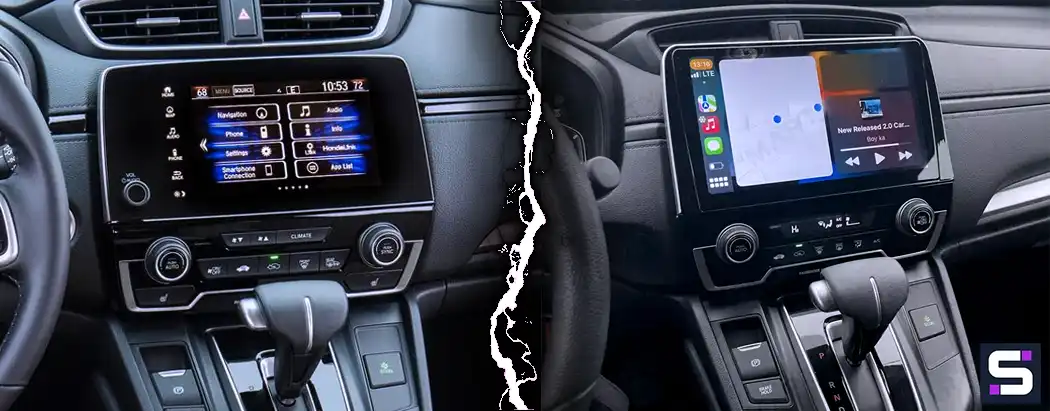
Lista kontrolna przed zakupem (5 kluczowych kroków)
- Zmierz w razie potrzeby wnękę deski i głębokość z uwzględnieniem dokładnego roku produkcji i wersji wyposażenia auta.
- Sprawdź dostępność ramki wykończeniowej pod wybraną przekątną ekranu (9″, 10″ lub rozmiar niestandardowy).
- Upewnij się, czy auto posiada magistralę CAN (w razie potrzeby rozkoduj numer VIN, ponieważ producenci zmieniają protokoły podczas liftingów).
- Zrób listę funkcji fabrycznych, które chcesz zachować (klimatyzacja, przyciski na kierownicy, fabryczna kamera, czujniki parkowania, wzmacniacz) i upewnij się, że wybrany moduł CAN-BUS je obsługuje.
- Określ preferowany tryb połączenia CarPlay/Android Auto (przewodowy lub bezprzewodowy) i upewnij się co do jego natywnej obsługi przez radio.
Często Zadawane Pytania (FAQ)
1. Czy każde radio Android wymaga modułu CANBUS?
Jeśli w Twoim aucie jest chociaż jedna funkcja zintegrowana z fabrycznym radiem (przyciski na kierownicy, wyświetlanie klimatyzacji, czujniki parkowania, komputer pokładowy) - tak, CAN-BUS jest obowiązkowy. Podstawowe auta całkowicie pozbawione cyfrowej magistrali (zazwyczaj wyprodukowane przed 2010 rokiem) mogą działać na zwykłym adapterze ISO.
2. Czy można zamontować radio 2DIN, jeśli w aucie było radio 1DIN?
Tak, ale tylko pod warunkiem posiadania specjalnej ramki redukcyjnej oraz gdy wewnątrz deski jest wystarczająco dużo wolnej głębokości i miejsca na zamocowanie.
3. Czy uniwersalny moduł CAN-BUS z oznaczeniem „Do samochodów [Marka]” będzie pasować?
Nie, nie należy liczyć na uniwersalność. Protokoły magistrali CAN są przypisane do konkretnych generacji i roczników modeli, a nie tylko do samej marki.
4. Czy montaż radia Android wpływa na gwarancję lub przegląd techniczny (SKP)?
Przy użyciu fabrycznych złączy (Plug-and-Play) bez przecinania kabli i uszkadzania fabrycznej instalacji, gwarancja na elektrykę zostaje zachowana. Szczegółowo omawiamy kwestie prawne i przeglądów technicznych w naszym przewodniku po przeglądach technicznych i cyfrowych zegarach.
5. Jaka jest najczęstsza przyczyna, dla której „kompatybilne” radio nie działa poprawnie?
Błąd przy wyborze wersji lub oprogramowania modułu CANBUS dla konkretnej modyfikacji auta. W 90% przypadków urządzenie fizycznie pasuje idealnie, ale z powodu złego dekodera traci się sterowanie z kierownicy lub wyświetlanie klimatyzacji.
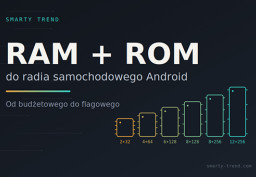
Jak wybrać RAM i ROM do radia samochodowego z Androidem: 4+64,...
CarPlay vs Android Auto w 2026 roku: co wybrać do Twojego telefonu?...

Przewodnik po procesorach do radiów samochodowych z Androidem 2026:...

Jak podłączyć i skonfigurować przyciski kierownicy w jednostce...

Najlepsze radia z Androidem 2026: Kompletny przewodnik po...
 PL
PL DE
DE
 EN
EN
 ES
ES
 FR
FR
 IT
IT
 NL
NL
 PT
PT
 RU
RU